Aerogel coating | Chinese manufacturer specializing in the R&D and production of aerogel coatings
- Model
- Aerogel coating
Item specifics
- color
- white
Review
Description
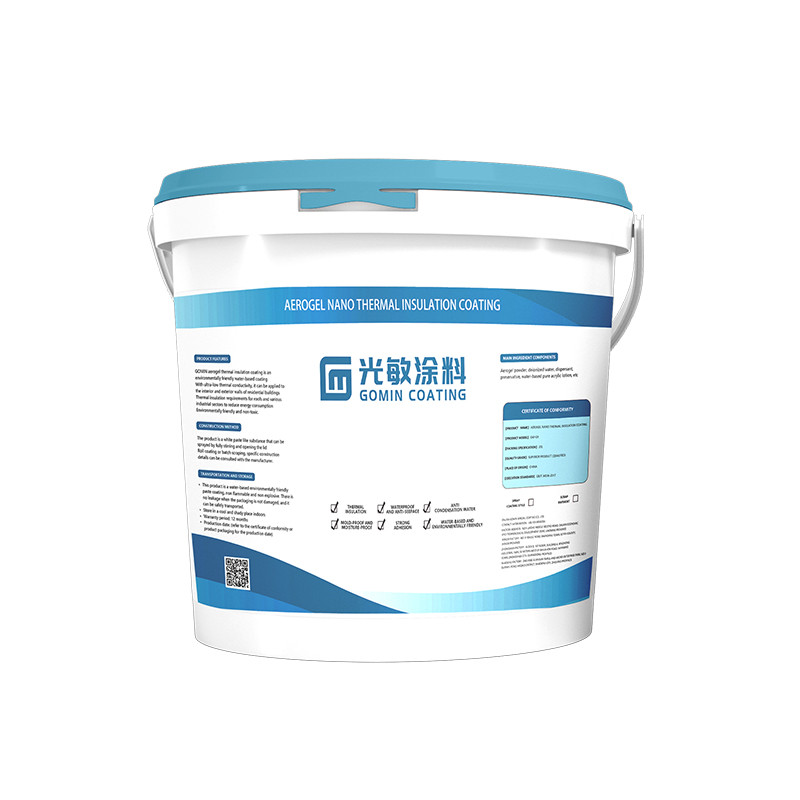
As a professional aerogel coating supplier in China, GOMIN is committed to providing customers with high-quality products while offering excellent cost-performance ratios for equivalent products, ensuring customers receive high-quality and affordable solutions. Our formulations utilize high-content aerogels without compromising performance for cost reduction. Through countless validations by our in-house R&D team at the experimental base, we produce aerogel coatings with low thermal conductivity, low density, and high insulation properties. Compared to traditional insulation materials, they are lighter, thinner, non-flammable, moisture-resistant, and easy to apply safely and environmentally. Additionally, we provide comprehensive technical support and complete after-sales services, including visualized selling points, assisted marketing promotion, rapid response to inquiries, customized solutions, and standard construction guidance, ensuring full protection and worry-free service throughout the process.
Name | Thermal Insulation Coating | ||
Model | GM-GX-2 | ||
Aerogel Coating | Hydrophobic type | ||
Density | 450g/L | ||
Sanding Property | Can be sanded manually | ||
Coverage | 0.48 m²/L (2mm thickness) | ||
Dilution | Up to 5% water addition based on coating condition | ||
Recommended Coating Thickness | Above 2mm, apply at least 2 coats | ||
Curing Time | 8-24 hours | ||
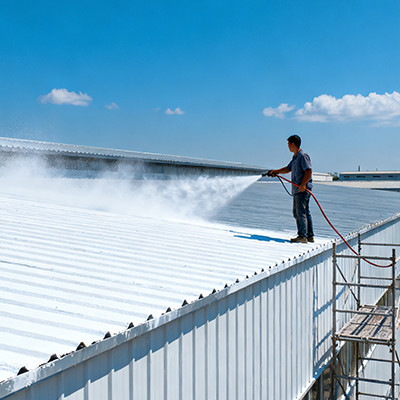
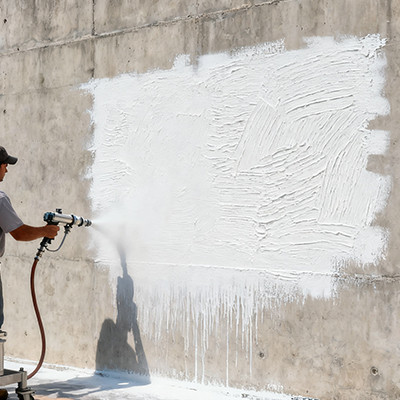
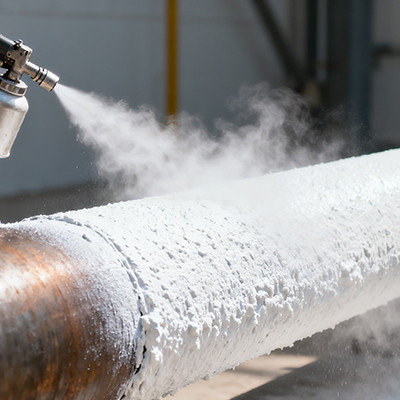
Application Methods | Rolling, brushing, spraying, troweling | ||
Operating Temperature | -45°C to 200°C | ||
Packaging Specifications | 20L,125L | ||
1. Trial version available: Includes 1L small and 2.5L medium trial bottles for testing before full-size purchase
First, install the decorative elements to meet the requirements, then proceed with the formal construction.
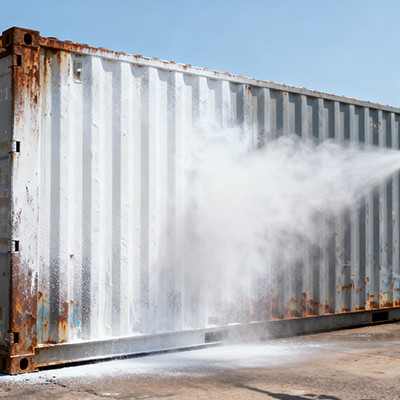
2. Substrate Selection: Assists clients in determining suitable substrates, including cement, wood, rust-prone materials, and non-rust-prone materials.
For materials like stainless steel, the need for an interfacial agent should be determined based on the substrate to ensure adhesion and enhance product performance.